Electric SUVs on the Rise

Liam Reilly
| 21-01-2026
 · Vehicle Team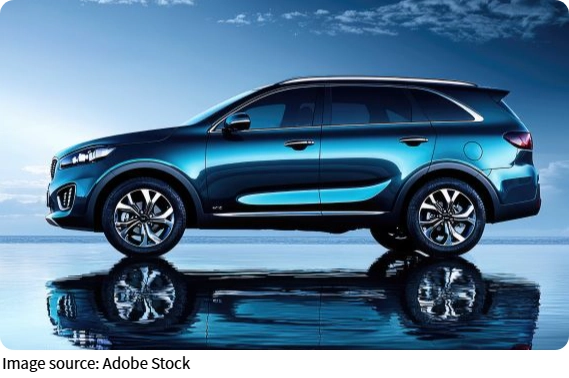
Pulling into a parking lot, you might notice more SUVs quietly humming along, with no engine roar—just electric power at work.
Electric SUVs are no longer a niche; they're becoming mainstream, and the market is expanding faster than many expected.
For drivers and enthusiasts, this growth is reshaping expectations about performance, convenience, and sustainability.
Why SUVs Are Going Electric
The appeal of SUVs—space, versatility, and comfort—combined with the benefits of electric power, is creating a perfect storm. Unlike traditional sedans or compact cars, SUVs can accommodate larger batteries without sacrificing interior space, giving them longer ranges and better performance.
Many drivers also value the instant torque of electric motors. Acceleration feels smooth and powerful, even in heavy vehicles. Add features like regenerative braking, which captures energy during stops, and you get efficiency without compromising utility.
Range and Charging: Overcoming Early Concerns
Early electric vehicles faced criticism for their limited range and slow charging. Today, many electric SUVs exceed 300 miles on a single charge, and fast-charging networks are expanding rapidly. Some models can gain 80% charge in under 30 minutes, making longer trips feasible without long downtime.
1. Plan routes around fast-charging stations for convenience.
2. Home charging options make daily commutes seamless.
3. Battery management systems optimize longevity and performance.
These improvements are turning range anxiety into a minor concern rather than a deal-breaker for most drivers.
Performance Meets Sustainability
Electric SUVs aren't just practical—they're fun to drive. With low centers of gravity from floor-mounted batteries, these vehicles handle corners more confidently than many traditional SUVs. Dual-motor all-wheel-drive systems provide traction and stability, even in adverse weather, without sacrificing efficiency.
Sustainability is another selling point. Zero tailpipe emissions reduce local pollution, and many manufacturers are using recycled materials in interiors and lightweight components to improve efficiency further. For environmentally conscious buyers, these vehicles offer a tangible way to reduce impact without giving up comfort or capability.
Variety and Affordability Are Expanding
As more manufacturers enter the market, choices are multiplying. From compact urban-friendly SUVs to larger family-oriented models, there's an electric SUV for almost every lifestyle. Prices are also becoming more competitive, with government incentives, tax credits, and lower long-term operating costs narrowing the gap with gasoline-powered counterparts.
Some models offer subscription-style packages for battery leasing or maintenance, reducing upfront costs. Others focus on premium experiences, with advanced infotainment, autonomous features, and luxury interiors. This variety is attracting buyers who once dismissed electric vehicles as too limited or too niche.
Challenges Ahead
Despite growth, challenges remain. Charging infrastructure still lags in some regions, and battery production has environmental and supply chain considerations. Additionally, resale values are still being established, making it important for buyers to research specific models.
Manufacturers are addressing these issues by investing in global charging networks, recycling programs, and battery innovations that extend lifespan and reduce environmental impact. Early adopters benefit from these advancements, and the overall market becomes more accessible and reliable over time.
A Personal Takeaway
Electric SUVs aren't just a trend—they represent a shift in how we think about driving, ownership, and sustainability. They combine the practical benefits of SUVs with the advantages of electric power, from lower emissions to quieter, smoother rides.
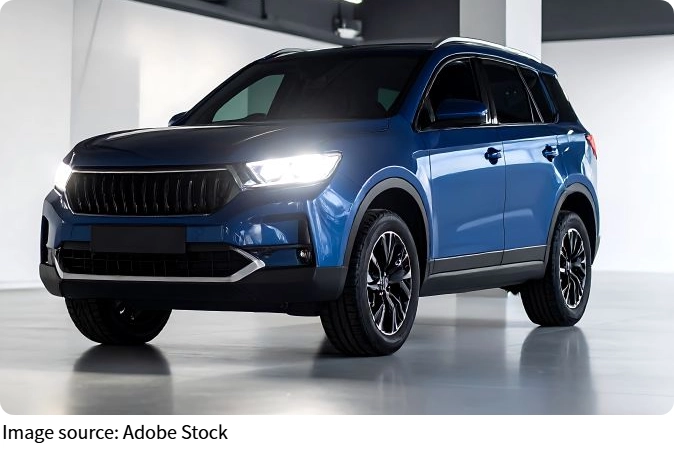
For anyone considering their next vehicle, an electric SUV offers more than just transportation. It's a chance to embrace a quieter, cleaner, and more efficient driving experience without sacrificing the space, versatility, or performance that SUVs are known for. Watching this market grow, it's clear that electric SUVs aren't the future—they're here now, quietly transforming roads and expectations alike.