Motorcycle Helmets

Chandan Singh
| 21-01-2026
 · Vehicle Team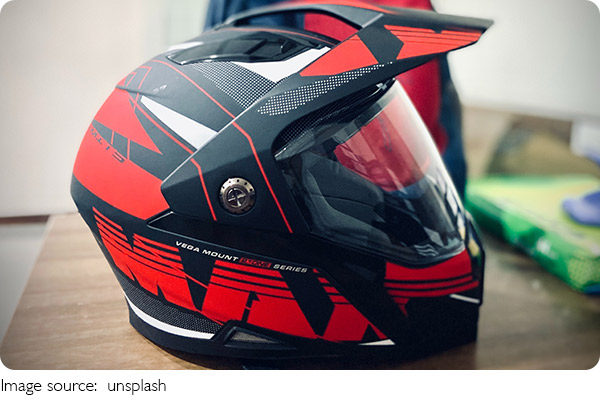
Have you ever watched a group of riders pass by and noticed the variety of helmets they wear? Some look sleek and futuristic, others rugged and bold.
Beyond their appearance, helmets are a rider's most important safety tool, combining protection, comfort, and personal style in one essential piece of gear. Let's check some important points about the helmets.
Safety First: How Helmets Protect
The primary role of a motorcycle helmet is obvious: protect your head. Modern helmets use advanced materials like polycarbonate, fiberglass, and carbon fiber to absorb impact energy and reduce the risk of injury. Inside, multi-density foam layers cushion blows, while a sturdy outer shell prevents puncture.
Standards like DOT, ECE, and Snell certify helmets to ensure they meet rigorous impact and retention tests. Choosing a helmet that meets these certifications isn't optional—it's critical. Even small differences in fit and construction can dramatically affect protection in a crash.
Design and Fit: Comfort Matters
A helmet that doesn't fit properly can compromise safety and comfort. Manufacturers now offer adjustable padding, multiple shell sizes, and ergonomic shapes to suit a variety of head shapes. Weight distribution is carefully considered to reduce neck fatigue, and ventilation systems improve airflow to keep riders cool during long rides.
1. Try on multiple sizes before buying, ensuring a snug fit without pressure points.
2. Check for proper chin strap adjustment—loose straps reduce effectiveness.
3. Look for removable, washable liners for hygiene and maintenance.
A well-fitting helmet isn't just safer—it's more comfortable, allowing riders to stay alert and focused on the road.
Technology and Innovation
Technology has transformed helmets beyond basic protection. Integrated Bluetooth systems let riders communicate, navigate, or listen to music hands-free. Some helmets offer heads-up displays or adaptive visors that adjust tint automatically based on sunlight. Noise-canceling features reduce wind and engine sounds, helping riders maintain focus and reduce fatigue.
Advanced crash detection sensors and emergency alert systems are emerging in some high-end helmets, sending location data to contacts in case of an accident. These innovations show how safety and connectivity are merging in modern gear. Helmets are increasingly becoming smart devices that actively enhance rider awareness, making long trips safer and more enjoyable.
Style and Personal Expression
While safety is paramount, style plays a big role in helmet choice. Riders now have options ranging from minimalist matte finishes to vibrant graphics. Some designs reflect personality or match motorcycle aesthetics, turning helmets into an extension of personal style.
Women riders and diverse communities are influencing helmet designs too, leading to more color options, ergonomic features, and inclusive marketing. Helmets are no longer one-size-fits-all—they're becoming personalized tools that reflect who you are while keeping you safe.
Maintenance and Longevity
A helmet's protective qualities can degrade over time. Most manufacturers recommend replacing helmets every five years or after any significant impact. Regular inspection of the shell, liner, and straps ensures ongoing safety. Proper storage away from sunlight and extreme temperatures prevents material deterioration, keeping your helmet reliable for years.
A Personal Takeaway
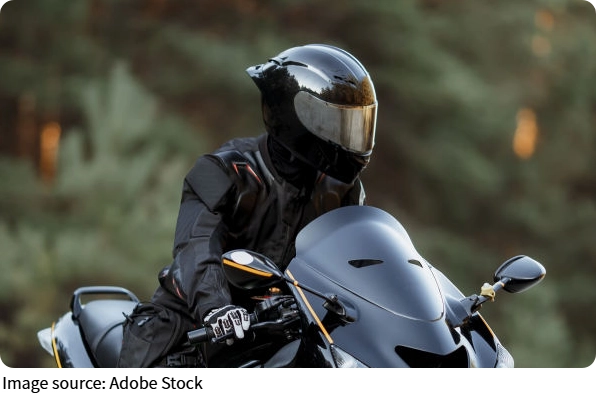
Helmets are more than accessories—they're essential safety tools that protect your most valuable asset: your head. Modern designs blend protection, comfort, technology, and style, proving that safety doesn't mean sacrificing individuality.
Choosing the right helmet is an investment in both security and enjoyment. When you slide one on before a ride, you're not just following the rules—you're embracing peace of mind, confidence, and the freedom to enjoy every mile safely and in style. With smart designs and innovative features constantly emerging, helmets continue to evolve, offering riders ever-greater protection, comfort, and personal expression on the road.